

Why This Guide Exists
Hiring has a way of becoming heavier than it should.
At first, it’s just one role. Then it’s two. Then suddenly leaders are filling gaps instead of leading. Roles stay open longer than planned. Interviews drag on. The wrong hire sets you back months.
Most small and mid sized businesses hit this wall sooner than expected.
Staffing companies exist because hiring mistakes slow everything else down. Miss the wrong role and momentum fades fast. The challenge is not deciding whether staffing works. The challenge is figuring out which staffing partners actually help and which ones simply move resumes around.
This piece walks through how to think about staffing companies in practical terms. Not rankings. Not hype. Just what tends to work, what usually doesn’t, and how to choose based on where your business is right now.
How We Think About Staffing Partners
A lot of best staffing lists look impressive on the surface. Big names. Long history. National reach.
That information rarely helps when you’re the one trying to fill a role while keeping the business running.
When we look at staffing partners, we focus on how they operate after the contract is signed. Do they really vet talent or just screen resumes. How long does hiring take in real life, not in sales conversations. Are costs clear upfront? Do they understand US labor rules well enough to keep you out of trouble?
Most importantly, can they keep up as the business grows.
This perspective comes from hiring experience at Kore BPO, not theory.
The Main Types of Staffing Companies
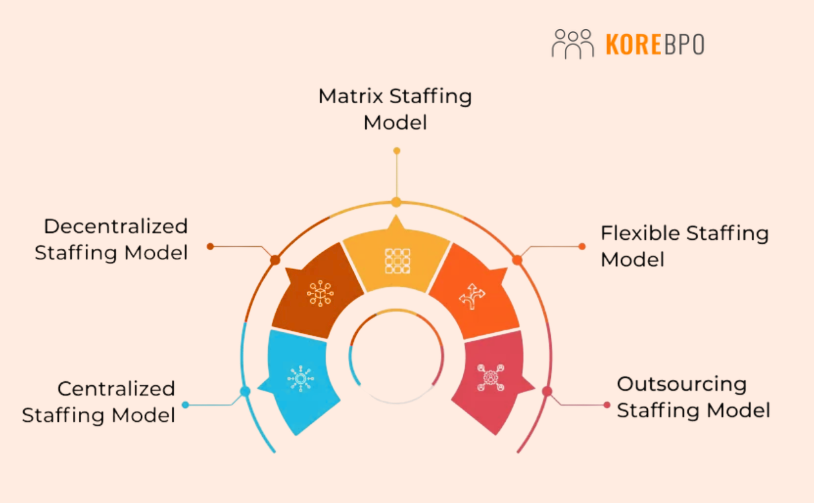
Most staffing firms fall into a few broad buckets.
- Some focus on general staffing. These usually handle admin, operations, and short term roles.
- Others specialize in IT and technical hiring, supporting developers and infrastructure teams.
- Healthcare staffing firms deal with licensed and regulated roles.
- Remote and global staffing firms help companies build teams outside the US.
- Executive search firms focus on senior leadership roles.
None of these categories are good or bad on their own. They just solve different problems.
Large Staffing Firms and When They Make Sense.
Large staffing firms tend to cover a lot of ground.
They work across industries, offer multiple hiring models, and usually have compliance dialed in. If you need volume or speed, they can be useful.
The tradeoff shows up quickly for smaller businesses. Fees are higher. Processes are rigid. Support often feels transactional.
They can be effective, but they’re rarely built around the realities of growing teams.
Staffing Partners Built for SMBs.
This is where things usually break or improve fast.
Small and mid sized businesses often need help shaping the role itself, not just filling it. They need flexibility. They need speed. They need partners who stay involved once the hire starts.
Staffing firms that focus on SMBs tend to operate differently. Pricing is clearer. Communication is faster. Replacement policies are straightforward. There’s less friction.We’ve seen companies cut hiring time by roughly 25 to 30 percent just by switching to partners who understand growth stage pressure.(appsierra.com)
IT and Technical Staffing
Technical hiring fails when companies rely only on resumes.
Strong IT staffing firms test real ability and pay attention to how candidates communicate. That matters because technical talent rarely works in isolation.
These firms are often used for development, infrastructure, and data roles. When evaluating them, it helps to ask how screening works in practice, how long hiring usually takes, and whether they’ve supported US based teams before.
Specialization helps. Pricing can swing fast depending on demand.
Healthcare Staffing
Healthcare staffing carries real risk.
The best firms handle credentials, licensing, and compliance without shortcuts. They move quickly when demand spikes and stay organized under pressure.
If a firm struggles to explain its compliance process clearly, that’s usually a warning sign.
Remote and Global Staffing
Remote staffing is no longer experimental.
For many businesses, it’s a practical way to grow without ballooning costs. Some firms charge one time placement fees. Others work on monthly pricing.
Both models can work. Neither works without structure.
From experience, remote hiring only performs well when roles are clear, processes are documented, and outcomes are measured.
What Strong Staffing Partners Have in Common
The best partners don’t stop at filling a role.
They help clarify responsibilities. They talk through expectations. They stay engaged after onboarding. Hiring becomes easier when the process itself is consistent.
Good partners are also honest. They’ll say when a role isn’t ready or when expectations are off. That honesty saves time and prevents bad hires.
Costs and Timelines
Staffing costs vary.
Some firms charge a percentage of first year pay. Others use hourly markups or flat monthly pricing. Lower cost options often look attractive early, but turnover usually costs more in the long run. (hirecruiting.com)
In house hiring often stretches past 40 days. Staffing partners commonly shorten that to 15 to 30 days by tightening intake and screening.(pennep.com)
Red Flags to Pay Attention To
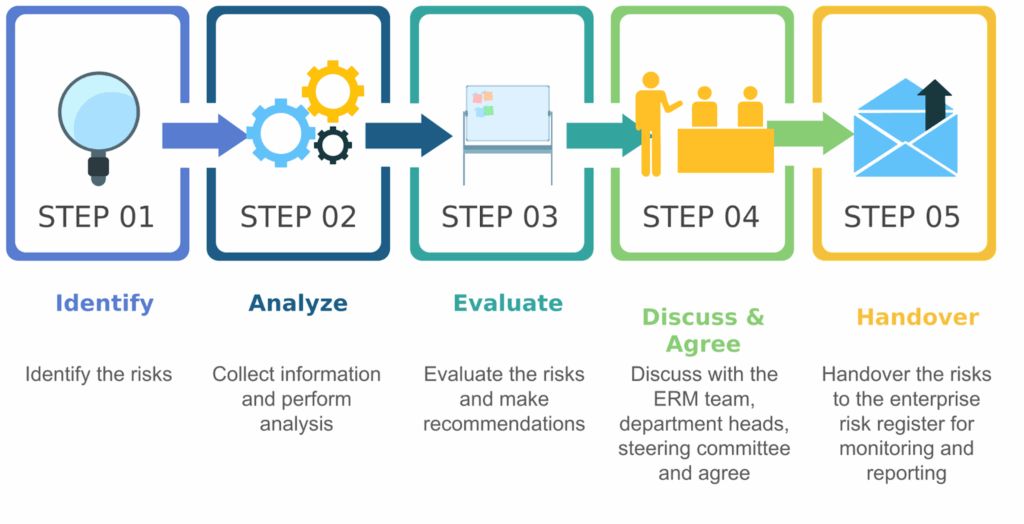
Problems usually show up early.
- Vague answers about vetting.
- Unclear pricing.
- No replacement policy.
- Big promises around speed.
- Weak understanding of US labor rules.
When something feels off at the start, it rarely fixes itself later.
Choosing the Right Partner
Before moving forward, ask direct questions.
How are candidates evaluated?
What does success look like after 90 days?
What timelines are realistic?
What happens if the hire doesn’t work out?
Clear expectations make staffing relationships work.
Frequently Asked Questions
Are staffing companies worth it for small businesses?
Yes. The right partner reduces hiring mistakes and frees leaders to focus on growth
How much do staffing companies charge in the US?
Most use percentage based fees, hourly markups, or monthly pricing
How long does hiring take through a staffing firm?
Only when hiring and QA are weak. Quality matters more than location.
Which roles are easiest to outsource first?
Admin, customer support, IT support, accounting, and marketing operations often deliver quick returns.
Are remote staffing firms safe for US businesses?
Yes, when vetting and compliance are handled properly.
What is the difference between a recruiter and a staffing firm?
Recruiters focus on permanent placements. Staffing firms support flexible and ongoing models.
Final Thoughts
Strong staffing partners care about outcomes, not just placements.
Fit matters more than brand recognition.
Clear systems make hiring repeatable instead of stressful.If you want honest feedback on your staffing partner that understands growing businesses, book a free strategy call with our team.
