
Vet for SQL, Python, and pipeline design skills, budget $6k–$12k/month depending on region and seniority, and use a structured 2–6 week hiring process with a pre-vetted talent partner to avoid the most common offshore hiring mistakes.
- 01Why Companies Hire Offshore Data Engineers in 2026
- 02What Offshore Data Engineers Actually Do
- 03Offshore Data Engineer Costs
- 04Skills to Look for in an Offshore Data Engineer
- 05Step-by-Step: How to Hire an Offshore Data Engineer
- 06Interview Framework
- 0730-60-90 Day Onboarding Plan
- 08Common Mistakes When Hiring Offshore Data Engineers
- 09When You Should Not Hire Offshore
- 10How to Successfully Manage Offshore Data Engineers
- 11Offshore vs In-House vs Hybrid
- 12Key Takeaways
- 13FAQs
- 14Work With a Partner That Actually Understands This
- 15Next Steps
Offshore data engineers cost $25–$65/hr in 2026. India and Southeast Asia offer the deepest talent pool; Eastern Europe runs 20–30% higher but brings stronger data architecture experience for complex pipeline builds.
By Brian Hunt, Kore BPO
There’s a simple reason this topic keeps coming up in conversations with founders and IT leaders.
Hiring data engineers locally is getting harder. Slower. More expensive.
At the same time, your business is generating more data than ever. And someone needs to build the pipelines, keep them running, and make sure your team can actually trust the numbers.
That’s where offshore hiring comes in.
But most teams miss this:
Hiring offshore data engineers works. But only if you do it right.
We have seen teams save 50% or more on cost and scale faster than they thought possible. We have also seen the opposite. Bad hires. Broken pipelines. Months of wasted time.
This guide walks you through what actually works.
Why Companies Hire Offshore Data Engineers in 2026
The Talent Shortage Isn’t Slowing Down
Data engineering demand is still growing fast. Roughly 20-25% YoY. (ascendeducation.com)
At the same time:
- Most local hires take 30-90 days
- Senior talent is highly competitive
- Salary expectations keep rising
If you’re hiring in the US or Western Europe, you already know this.
Cost Pressure Is Real
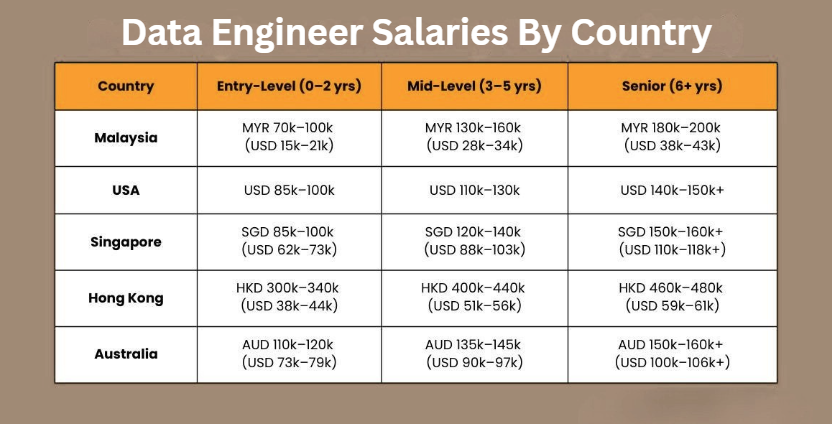
Let’s talk numbers.
- US data engineer: $110k-160k+
- LATAM: $40k-90k
- India: $30k-70k
- Eastern Europe: $50k-100k
That’s a 30-70% difference.
But here’s the part people miss:
Cost savings only show up if the hire actually works.
It’s Not Just About Cost Anymore
The companies doing this well aren’t just chasing savings.
They’re optimizing for:
- Faster hiring cycles
- Access to deeper talent pools
- Flexibility to scale teams up or down
What Offshore Data Engineers Actually Do
This is where most articles fall apart.
If you don’t understand the role, you can’t hire for it.
Core Responsibilities
A good data engineer spends most of their time on:
- Building and maintaining data pipelines
- Integrating multiple data sources
- Managing data warehouses
- Ensuring data reliability
In reality, 70-80% of their work is pipeline-related.
Modern Data Stack
Most candidates will have experience with tools like:
- Snowflake
- Apache Airflow
- Apache Spark
- dbt
But tools aren’t the main thing.
What Actually Matters
The best data engineers don’t just know tools. They understand how data flows.
They can:
- Design pipelines end-to-end
- Debug failures quickly
- Think in systems, not tasks
Offshore Data Engineer Costs
Let’s break this down properly.
Salary Benchmarks by Region
Typical ranges include:
- US: $110k-160k+
- LATAM: $40k-90k
- India: $30k-70k
- Eastern Europe: $50k-100k
The Hidden Costs Nobody Talks About
This is where teams get caught off guard.
- Ramp time: 30-60 days
- Management overhead
- Time zone delays
- Rework from unclear requirements
Operator insight:
You don’t save money by hiring offshore. You save money by managing offshore well.
Skills to Look for in an Offshore Data Engineer
Core Technical Skills
You’ll want:
- SQL (used by 90% or more of data engineers)
- Python (70% or more adoption)
- Data modeling
- Pipeline design
System Thinking
This matters more than anything else.
Look for candidates who can:
- Explain how they debug pipelines
- Walk through the architecture decisions
- Handle edge cases
Mid vs Senior
Mid-level:
- Executes tasks
- Builds pipelines with guidance
- Strong coding, limited architecture experience
Senior:
- Designs systems
- Owns reliability
- Handles failures and scaling
Operator insight:
Tools change every 2-3 years. Data thinking doesn’t.
Step-by-Step: How to Hire an Offshore Data Engineer
Step 1: Define What You Actually Need
Start with this:
- Are you building pipelines or dashboards?
- Batch or real-time data?
- Greenfield or existing system?
Clarity here speeds everything up.
Step 2: Choose the Right Hiring Model
Common options include:
- Staff augmentation
- Dedicated team
- Project-based
Each works. It depends on your needs.
Step 3: Source Candidates
You can use:
- Job boards
- Freelance platforms
- Offshore partners
The fastest route is usually pre-vetted talent.
Step 4: Run a Structured Interview Process
This is where most teams fail.
Include:
- SQL test with real-world queries
- Pipeline design challenge
- System design discussion
Step 5: Evaluate Beyond Tools
Focus on:
- Problem-solving
- Communication
- Ownership mindset
Interview Framework
Technical Evaluation
Test real scenarios:
- Debug a broken pipeline
- Design a data flow
- Optimize a query
Behavioral Evaluation
Ask questions like:
- Tell me about a pipeline failure you handled
- How do you ensure data quality?
Red Flags
Watch for:
- Over-focus on tools
- Weak explanations
- No real debugging experience
30-60-90 Day Onboarding Plan
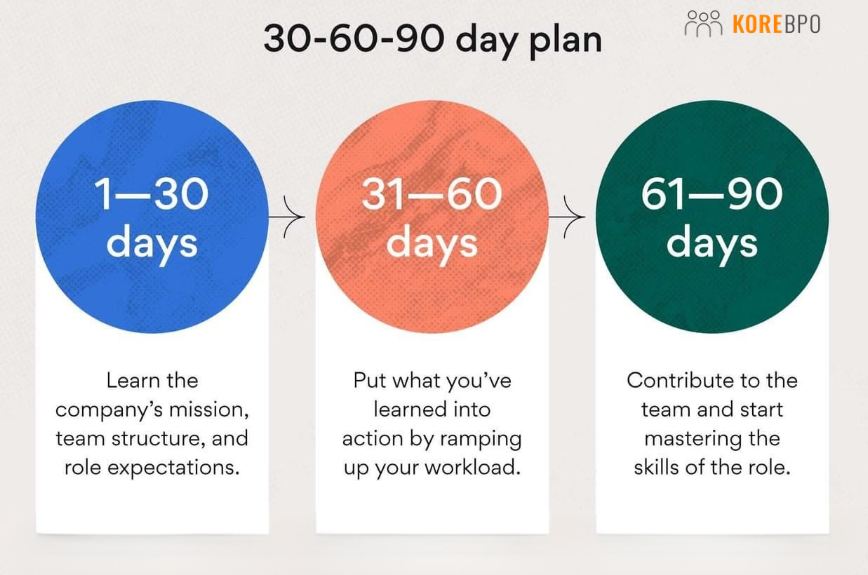
First 30 Days
- System access
- Learning your data environment
- Shadowing workflows
30-60 Days
- Contributing to pipelines
- Fixing minor issues
- Writing production queries
60-90 Days
- Owning pipelines
- Improving performance
- Handling incidents
Operator insight:
If they’re not contributing by day 60, it’s usually an onboarding issue.
Common Mistakes When Hiring Offshore Data Engineers
- Hiring for tools instead of thinking
- No clear data ownership
- Poor documentation
- Unrealistic expectations
When You Should Not Hire Offshore
This part matters.
Don’t do it if:
- Your data architecture isn’t defined
- Requirements change daily
- You don’t have internal ownership
- You expect instant productivity
Operator insight:
Offshore works best when your system is at least 60% defined.
How to Successfully Manage Offshore Data Engineers
This is where things either work or fall apart.
What Successful Teams Do
- Define ownership clearly
- Document everything
- Set SLAs for pipelines
- Treat offshore engineers as part of the team
Operator insight:
Offshore teams fail when treated like vendors. They succeed when treated like owners.
Offshore vs In-House vs Hybrid
Offshore:
- Lower cost
- Faster scaling
- Requires strong management
In-house:
- More control
- Higher cost
- Slower hiring
Hybrid:
- Balanced approach
- Often, the most effective
Key Takeaways
- Offshore hiring solves real problems, but it’s not automatic
- Most failures are operational, not technical
- A clear structure beats more candidates
- Good onboarding is just as important as hiring
FAQs
Work With a Partner That Actually Understands This
If you’ve made it this far, you already know this isn’t just about finding talent.
It’s about building a system that works.
At Kore BPO, we focus on:
- Pre-vetted data engineering talent
- Structured hiring processes
- Real-world onboarding support
- Customized offshore team structures
- Fast integration with your internal team
- Long-term team success
Next Steps
- Book a consultation
- Get a tailored hiring plan
- Review your data team setup
No fluff. Just practical guidance based on what actually works.
How long does it take to hire an offshore data engineer?
How much can companies save by hiring offshore data engineers?
What skills matter most in an offshore data engineer?
Is communication a challenge with offshore teams?
What’s the biggest risk when hiring an offshore data engineer?

Related Articles



Ready to Build Your Offshore Team?
Get pre-screened resumes in 2 to 5 days. No upfront fees. One partner from hire to payroll.
Get Matched With a Vetted Data Engineer