
Last updated: August 13, 2026
Salary data for nearshore Java developers ages fast. Costa Rica’s tech market has grown significantly, the country hosts major US technology companies, and compensation rates have moved with that growth. This guide reflects 2026 placement data from Kore BPO’s direct experience sourcing and placing Java developers from Costa Rica with US engineering teams.
The ranges below are all-inclusive monthly costs: base compensation, employer contributions, and the staffing fee. They represent what you actually pay, not just what the developer takes home.
Why Costa Rica Java Developer Rates Are Below US Costs

Costa Rica has a lower cost of living than major US tech hubs. A software developer in San Jose, Costa Rica earns significantly more than the median wage there and lives well on a fraction of what a New York or San Francisco equivalent would need. That gap is the source of the cost differential.
What’s often misunderstood is that lower cost does not mean lower quality. Costa Rica has produced a generation of engineers who work in US company codebases, speak English, and often have direct prior experience with US team dynamics. The country hosts major tech centers for companies including Amazon, Intel, HP, and IBM, which has raised the baseline for engineering talent and infrastructure significantly.
Costa Rica also runs UTC-6 year-round with no daylight saving time adjustment. That is the same offset as US Central Standard Time, and within one hour of US Eastern. This time zone overlap is the primary advantage over offshore development locations and is a significant part of why nearshore Java developers command higher rates than their offshore counterparts.
Nearshore Java Developer Salary Ranges by Seniority Level
These are all-inclusive monthly rates as of 2026, reflecting current placement activity. Rates include developer compensation, employer-side contributions in Costa Rica, and the Kore BPO staffing fee.
| Level | Experience | Monthly Rate (All-In) | Equiv. US Annual Cost | Savings vs. US |
|---|---|---|---|---|
| Junior | 1 to 3 years | $3,500 to $5,000 | $120K to $145K | 50 to 60% |
| Mid-Level | 3 to 6 years | $5,000 to $7,500 | $140K to $170K | 45 to 55% |
| Senior | 6 to 10 years | $7,500 to $10,500 | $165K to $200K | 40 to 50% |
| Staff / Principal | 10+ years | $10,500 to $13,000 | $195K to $230K | 35 to 45% |
US equivalent costs include salary, payroll taxes, benefits, and recruiting fees. The nearshore figures bundle all of those into a single monthly rate with no additional HR overhead on your side.
Rate accuracy note: These ranges reflect Kore BPO placement activity as of August 2026. Individual rates within each band depend on stack specificity, domain expertise, and market supply at the time of your search. Highly specialized roles (fintech architecture, healthcare SaaS, distributed systems at scale) typically fall in the upper quarter of each band.
What Drives Higher or Lower Rates Within Each Band

Within each seniority band, several factors push rates toward the upper or lower end:
Factors that push rates higher
- Spring Security or Spring Cloud depth: Developers who can architect OAuth2 flows, JWT implementation, or service mesh configurations with Spring Cloud are in higher demand than generalist Spring Boot developers.
- Fintech, healthcare, or regulated industry experience: Domain expertise requiring knowledge of transactional boundaries, data residency, audit logging, or compliance frameworks commands a premium. The candidate pool is smaller and the work is less transferable.
- Apache Kafka production experience: Event-driven architecture is increasingly standard in Java microservices environments, but genuine production Kafka experience is still a differentiator.
- Prior US remote team experience: Developers who have already worked embedded in a US sprint team with English as the primary language are more predictable hires and typically negotiate higher rates.
- AWS or GCP professional certifications: Meaningful for roles where the developer will own infrastructure alongside application code.
Factors that push rates lower
- Primarily Spring Boot 2.x experience with limited 3.x migration work
- Limited English proficiency for live communication
- CRUD-heavy codebase experience without distributed systems exposure
- No prior remote work or US team integration history
Engagement Model Cost Comparison
The three standard engagement models carry different cost structures. The right choice depends on your budget predictability needs and the nature of the role.
| Model | Monthly Cost Structure | Upfront Fees | Best For |
|---|---|---|---|
| Contract | Fixed monthly rate, 30-day notice periods typical | $0 at Kore BPO | Long-term embedded roles, cost predictability |
| Contract-to-Hire | Contract rate during trial, conversion fee at hire | $0 upfront; fee at conversion | Teams wanting to evaluate fit before direct hire commitment |
| Direct Hire | One-time placement fee (percentage of first-year salary) | Placement fee at hire | Permanent roles, developer on your own payroll |
Contract is the most common model for nearshore Java developers embedded in US engineering teams. It provides cost predictability, gives both parties flexibility during the first 60 to 90 days, and removes the compliance overhead of directly employing someone in Costa Rica.
Get Candidate Profiles with Rates
Kore BPO sends specific profiles with rates for your role and seniority level in 2 to 5 business days.
Nearshore vs. Offshore vs. US Java Developer Cost Comparison
| Location | Senior Java Dev (Monthly All-In) | Time Zone Overlap | Real-Time Collaboration |
|---|---|---|---|
| US (Full-Time Employee) | $14,000 to $18,000 | Full | In-office or co-located remote |
| Nearshore (Costa Rica) | $7,500 to $10,500 | 0 to 2 hours | Live standups, code reviews, real-time Slack |
| Offshore (India) | $4,000 to $7,000 | 10 to 13 hours ahead | Asynchronous primary; limited real-time overlap |
| Offshore (Eastern Europe) | $5,500 to $9,000 | 6 to 9 hours ahead | Limited morning overlap for Eastern US only |
The nearshore model sits between US rates and offshore rates, but the value proposition is not only cost. It is the combination of 40 to 50 percent savings with the same collaboration cadence as a domestic hire. For teams running real standups, live code reviews, and synchronized sprint ceremonies, that time zone overlap has a dollar value that does not show up in the rate table but shows up clearly in velocity and developer integration speed.
Total Cost of a Nearshore Java Developer Hire
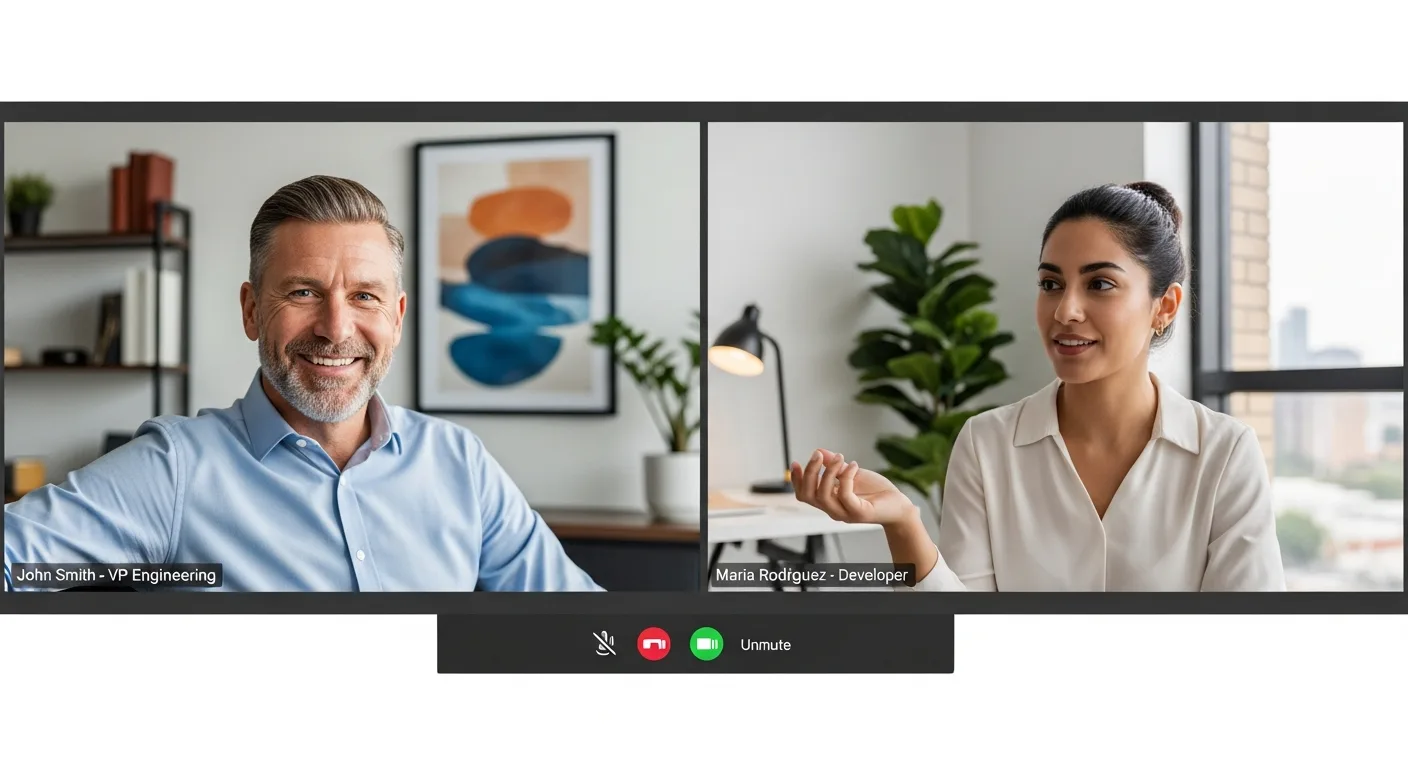
The monthly rate is not the only cost. Here is how to think about total placement cost for a nearshore Java developer on a contract engagement:
One-time placement costs
- Sourcing and screening: $0 at Kore BPO. These are included in the monthly rate, not charged upfront.
- Your internal interview time: Typically 3 to 5 hours total across 3 to 4 rounds per finalist. Plan for 1 to 2 finalists per placement.
- Onboarding hardware: If you ship a laptop, budget $500 to $1,500. Many companies allow developers to use their own equipment initially.
Ongoing monthly costs
- Monthly contract rate: The all-inclusive ranges above. No separate benefits, payroll tax, or HR administration overhead.
- Tool licenses: Marginal cost is near zero if the developer replaces a seat already in use.
- Onboarding time from your team: Typically 5 to 10 hours in the first two weeks. This cost exists for any new hire regardless of location.
Avoided costs compared to a US hire
- Employer payroll taxes (typically 7.65% of salary for FICA alone)
- Health, dental, vision insurance premiums ($6,000 to $12,000 per year per employee)
- Recruiting fees (15 to 25% of first-year salary for direct hire)
- Equipment and office space
- 401(k) matching contributions
The avoided costs on a US senior Java developer hire typically add $30,000 to $55,000 per year on top of base salary. When you compare total employment costs, the nearshore rate differential is usually closer to 55 to 65 percent below the true US equivalent cost, not just the salary headline.
Frequently Asked Questions
Are there upfront fees to place a nearshore Java developer with Kore BPO?
No. Kore BPO charges no upfront fees for contract placements. The monthly rate covers sourcing, screening, placement, and ongoing support. For direct hire placements, there is a one-time placement fee paid at the time of hire, not during the search process. Contract-to-hire engagements run on the contract rate until you decide to convert, at which point a conversion fee applies.
How do Costa Rica Java developer rates compare to Colombia or Mexico?
Colombia’s major tech hubs tend to run 10 to 20 percent below Costa Rica for equivalent seniority. Mexico varies significantly by city. Costa Rica’s tech ecosystem is more mature in terms of US company integration and enterprise Java depth at the senior level, which generally supports its rate positioning relative to other Latin American nearshore markets.
Do nearshore Java developer rates include health insurance and benefits?
Yes. When you engage through Kore BPO on a contract basis, the developer is employed by Kore BPO in Costa Rica. Benefits, local payroll taxes (CCSS contributions and other mandatory employer contributions in Costa Rica), and employment compliance are handled by Kore BPO. The monthly rate you pay is all-inclusive. You do not manage local HR or compliance in Costa Rica.
What Spring Boot specializations command the highest rates?
Spring Security with OAuth2/OIDC implementation, Spring Cloud with service discovery and circuit breaker patterns, and Spring Batch for large-scale data processing are the specializations that most consistently push rates toward the upper band. Kafka integration with Spring Boot is also a premium skill as event-driven architectures become standard for Java microservices.
How quickly can I get a nearshore Java developer profile with a rate attached?
Kore BPO delivers the first shortlist of pre-screened candidate profiles with rates in 2 to 5 business days from an initial requirements conversation. Most placements complete the full interview process and have a start date within 10 to 28 business days from the first call. More detail at korebpo.com/nearshore-java-developers. Read more about the hiring process in our guide to hiring nearshore Java developers.
Disclosure: Kore BPO is a nearshore staffing agency. The salary and rate data in this guide reflects our direct placement experience as of August 2026. Individual rates vary based on candidate experience, stack specificity, and market conditions at the time of your search.

Related Articles



Get Rates for Your Java Role
Kore BPO delivers pre-screened nearshore Java developer profiles with all-inclusive rates in 2 to 5 business days. No upfront fees.
View Nearshore Java Developers