Top Benefits of Hiring an Offshore Accountant for Your Business

- 01What an Offshore Accountant Is
- 02Why More Businesses Are Looking Offshore
- 03The Top Benefits of Hiring an Offshore Accountant
- 04Addressing the Common Concerns
- 05What Offshore Accounting Looks Like in Practice
- 06When Offshore Accounting Works Best
- 07When It May Not Be the Right Fit
- 08How to Choose the Right Offshore Accounting Partne
- 09What This Means for Growing Businesses
- 10FAQs
- 11Ready to See If Offshore Accounting Fits Your Busi
If you run a growing business, you already feel the pressure.
Accounting costs keep rising. Hiring takes longer every year. And your best people spend too much time stuck in transactional work instead of pushing the business forward.
I’ve seen this pattern across dozens of companies. For many of them, hiring an offshore accountant was not just a cost move. It was an operating move.
Below is a clear look at the benefits, the tradeoffs, and what actually makes offshore accounting work day to day.
What an Offshore Accountant Is
An offshore accountant is a trained accounting professional who works outside your home country and supports your finance and accounting work remotely.
This support often covers
- Bookkeeping and reconciliations
- Accounts payable and accounts receivable
- Payroll support
- Month end close
- Tax prep support
- Financial reporting
The real difference is not location. It’s how the role is structured. Offshore accounting works best when the accountant is treated as part of the team, not as a short term fix.
Why More Businesses Are Looking Offshore
Most leaders are not chasing savings just for the sake of it. They are reacting to real limits.
- Domestic accounting talent is harder to find and keep.
- Payroll costs keep growing faster than revenue.
- Close cycles and tax season push teams toward burnout.
- Growth slows when back office work becomes a bottleneck.
For many businesses, offshore accounting has become a practical lever instead of a nice to have.
The Top Benefits of Hiring an Offshore Accountant
1. Real Cost Savings Without Sacrificing Quality
Cost savings matter, and they are real.
Offshore accounting talent often costs 40 to 70 percent less than comparable domestic roles once you factor in salary, benefits, recruiting, and turnover.
What matters more is stability.
When turnover drops and rehiring slows down, the cost per outcome improves over time. That is where most of the long term value comes from.
2. Access to a Larger and More Reliable Talent Pool
Many offshore markets produce a steady flow of accounting and finance graduates every year. These professionals are trained and experienced in supporting US based businesses.
This solves a common SMB problem.You are no longer competing locally for limited talent. You are accessing a global pool that supports
Consistent execution
Specialized accounting roles
Backup coverage and redundancy
3. Faster Turnaround Using Time Zone Differences
When designed well, time zones can help instead of hurt.
- Many businesses using offshore accountants
- Start the day with reconciliations already done
- Shorten close cycles
- Move routine tasks forward while internal teams are offline
This is not about nonstop work. It’s about keeping workflows moving without burning people out.
4. Easier Scaling During Growth and Busy Periods
Hiring in house takes time. Scaling offshore teams is usually faster and more flexible.
- This matters most during
- Growth spurts
- Month end and year end close
- Tax season
- Cleanup or backlog projects
Instead of hiring ahead of demand, offshore accounting lets you adjust capacity with less risk.
5. Better Process Discipline and Consistency
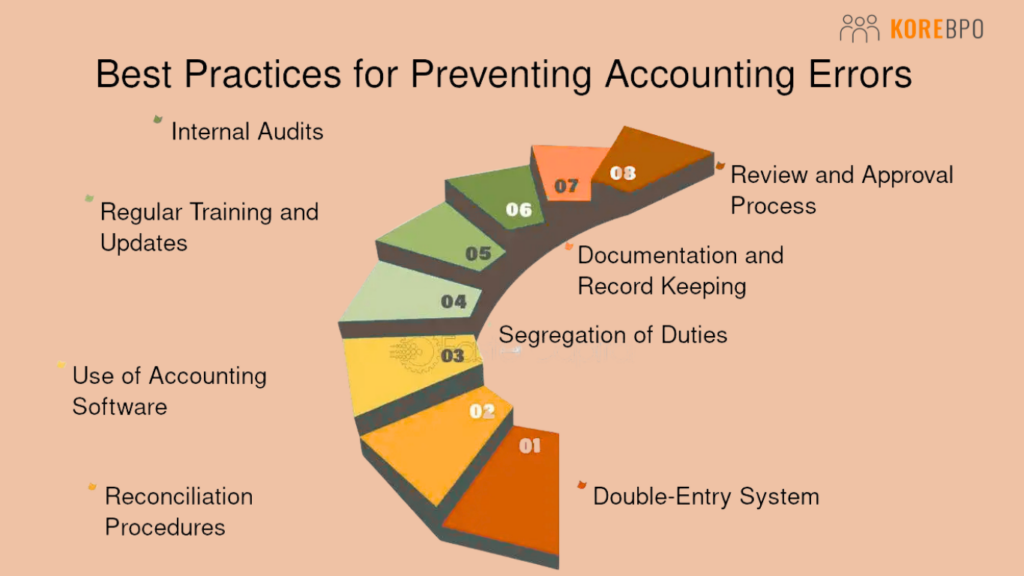
Many leaders do not expect this, but offshore teams often follow processes more consistently.
That happens because success depends on clarity.
- When workflows are documented and repeatable
- Error rates drop
- Reviews move faster
- Knowledge is not stuck with one person
Over time, this improves the entire finance function.
6. More Time for Higher Value Work
Every hour leaders spend on basic accounting work is an hour not spent on growth.
Offshore accountants handle execution, so internal teams can focus on
- Financial analysis
- Forecasting
- Advisory support
- Business planning
For many businesses, this shift creates more value than savings alone.
Addressing the Common Concerns
Offshore accounting is not risk free. Most risks come from operations, not geography.
Data Security and Confidentiality
Security depends on controls, not location.
- Strong offshore programs rely on
- Role based access
- Secure systems and VPNs
- Audit trails
- Clear data ownership rules
In many cases, offshore teams operate with tighter controls than internal teams that rely on informal habits.
Quality and Accuracy
Quality issues usually point back to onboarding.
- Strong teams use
- Clear SOPs
- Defined review layers
- Simple performance metrics
- Ongoing feedback
When expectations are clear, quality becomes predictable.
Communication and Time Zones
Time zone gaps only cause issues when communication lacks structure.
- The fix is straightforward
- Daily overlap time
- Regular check ins
- Clear escalation paths
- Written documentation
With the right setup, offshore teams feel like a natural extension of the business.
What Offshore Accounting Looks Like in Practice
Here is a realistic timeline that many teams experience.
First 30 days
- Process documentation
- Training and shadowing
- Gradual task handoff
Days 30 to 60
- Independent work with review
- Quality stabilizes
- Workflow adjustments
Days 60 to 90
- Full ownership of assigned tasks
- Consistent output
- Lower management effort
By around 90 days, most teams stop thinking about location and focus on results.
When Offshore Accounting Works Best
Offshore accounting fits best for businesses that
- Have repeatable workflows
- Are willing to document processes
- Want long term stability
- Value consistency over heroics
It works especially well for growing SMBs and teams under hiring pressure.
When It May Not Be the Right Fit
- It is not ideal if
- Processes only exist in people’s heads
- Leadership will not invest time upfront
- Expectations are unclear
Offshore accounting rewards clarity. Without it, even strong talent struggles.
How to Choose the Right Offshore Accounting Partner
Before moving forward, ask practical questions.
- Questions that matter
- How onboarding and knowledge transfer work?
- What controls protect financial data?
- How quality is reviewed?
- Who manages performance daily?
Red flags
- Unclear security answers
- No accounting focus
- No review structure
- Promises of instant results
This should be a partnership, not a quick transaction.
What This Means for Growing Businesses
Offshore accounting is not about cutting costs at any cost.
It is about building a finance function that scales, stays consistent, and gives your team room to focus on work that drives growth.
When done right, it becomes a long term advantage.
FAQs
What does an offshore accountant actually handle?
They take care of day to day accounting work so your internal team is not stuck in the weeds.
Is offshore accounting safe for sensitive financial data?
Yes, when it’s set up right, strong controls matter more than where the work is done.
Will a foreign accountant be aware of US accounting regulations?
With clear instructions, the majority quickly catch up after receiving training based on US standards.
Does offshore accounting replace my internal team?
No, it supports them so they can focus on higher value work instead of routine tasks.
Ready to See If Offshore Accounting Fits Your Business
If you want to explore whether offshore accounting makes sense for your team, the next step is a real conversation.
No pitch. No pressure. Just a clear look at your workflows, goals, and limits.
Talk with Kore BPO to see whether offshore accounting is the right operating move for your business.
You do not need perfection to start. You just need clarity.
Related Articles



Ready to Build Your Offshore Team?
Get pre-screened resumes in 2 to 5 days. No upfront fees. One partner from hire to payroll.
Contact Us