Outsourced Sales Development Services (SDR-as-a-Service)
Kore BPO builds and manages outbound and inbound SDR teams who prospect, qualify, and book meetings on your calendar, so your closers spend time selling instead of chasing cold lists. Screened reps in 5 to 10 business days, no setup fee to start.

What Is Outsourced Sales Development (SDR-as-a-Service)?
A B2B team's pipeline problem is rarely a dried-up market. It's nobody on staff having the bandwidth to work a cold list five hours a day, every day, without burning out. Account executives who get handed prospecting duty on top of closing duty tend to do neither well, and the calendar shows it within a quarter.
Companies facing that gap generally try one of three things: push prospecting onto closers anyway, hire a dedicated in-house SDR and hope the role survives past month fourteen, or hand outbound and inbound qualification to a managed team built specifically to run that motion at volume.
That third path is what this page covers. Before you commit, it helps to see the real cost side by side. Our outsourced SDR pricing guide breaks down retainer, per-meeting, and hybrid models with real ranges. If you are still deciding whether to build this function in-house or hand it to a partner, the in-house vs. outsourced comparison walks through both paths honestly, including where in-house still wins.
If you need a single dedicated SDR hire on your own payroll rather than a managed outside team, see nearshore SDR staffing instead. For a broader view of how sales and marketing functions get outsourced beyond prospecting alone, our sales and marketing solutions overview covers the full service line.

The Real Cost of Building This In-House
A fully-loaded in-house SDR, once you count base salary, variable pay, benefits, tooling, recruiting cost, and ramp time, runs somewhere between $115,000 and $165,000 a year in most 2026 cost breakdowns, well above what the base salary line alone suggests. And that number assumes the hire sticks around long enough to earn it back. Industry tenure research from The Bridge Group's 2025 SDR Metrics Report puts average SDR tenure at 1.9 years with annual turnover historically running as high as 50%, which means a meaningful share of that fully-loaded cost gets spent re-hiring and re-ramping a replacement rather than generating pipeline.
Outsourced SDR teams solve the staffing side of this differently. Instead of one junior hire learning the role from scratch on your dime, you get reps who have already run outbound motions for other B2B accounts, backed by a manager whose entire job is keeping the pipeline moving, not splitting attention between recruiting the next SDR and coaching the current one.
Three Ways to Structure Your SDR Program
A single outbound-only program is not the only option. Clients typically start with one of the two models below and expand once the motion proves out.
Outbound Prospecting
Cold calling, email sequencing, and LinkedIn outreach into a defined target account list, built from your ICP, to generate net-new meetings on cold territory.
Inbound Qualification
Fast response to demo requests, trial signups, and marketing-qualified leads, so warm interest gets a human reply in minutes, not the next business day.
Blended Outbound + Inbound
One team splits time between cold outreach and inbound follow-up, so quiet weeks on inbound volume still get filled with outbound-sourced meetings.
Six Scenarios That Bring Companies to Us
Your Closers Are Prospecting Too
Account executives splitting time between cold outreach and closing tend to do both worse. Separating the two roles lets each one get done properly.
Your Last SDR Hire Didn't Last
If an in-house SDR has already churned once, a second solo hire carries the same ramp and retention risk. A managed team spreads that risk across a whole bench.
You Just Raised a Round
Fresh funding means a growth target with a short runway to hit it. Standing up a trained outbound team in-house from zero takes longer than most boards will wait.
Marketing Leads Are Piling Up Unworked
Demo requests and trial signups that sit for a day before anyone calls them lose a meaningful share of their conversion rate. A dedicated team closes that response gap.
You Need Volume Without a Hiring Cycle
Posting a requisition, screening resumes, and onboarding one SDR can take six to eight weeks before a single call gets made. A managed team is already trained and working.
You Are Entering a New Market Segment
Expanding into a new vertical or company-size band means building fresh messaging and a fresh list. Testing that with a flexible outside team costs less than a permanent hire if it does not pan out.
Our Process for Standing Up Your SDR Team
Pipeline only holds up if the handoff between prospecting and your sales team is clean. Here is how we build and run it.
Map Your ICP and Territory
We review your closed-won accounts, current messaging, and target list to define exactly who gets called, emailed, and connected with before any outreach starts.
Choose the Engagement Model
Based on your pipeline gap, we recommend outbound, inbound qualification, or a blended program, matched to where your actual shortfall sits today.
Screen and Place Reps
Candidates are tested on cold-call delivery, objection handling, and your CRM before you see a resume. First screened candidates in 5-10 business days.
Build the Meeting Handoff Protocol
We set a documented handoff format, qualification notes, next-step context, and calendar routing, so no booked meeting lands on your closer's calendar cold.
Monitor and Adjust the Program
Thirty, sixty, and ninety day reviews check activity volume, meeting-held rate, and pipeline sourced, and we adjust targeting or headcount as the data comes in.

The meeting handoff is where most self-built SDR programs lose value. A meeting booked without real qualification notes just moves the wasted-time problem from the SDR's calendar to the account executive's.
We build that handoff documentation into the account from day one, qualification criteria, pain points discussed, and next-step context, so every booked meeting arrives with enough information for your closer to run it well. It is step 4 of the process above, not an afterthought once meetings start slipping through the cracks.
Tell Us Your ICP. We'll Map the Right SDR Program.
Share your target accounts, current pipeline gap, and CRM. We tell you honestly whether you need outbound, inbound qualification, or both.
Ways to Structure Your SDR Contract
Monthly Retainer
A dedicated rep or team working your account on an ongoing monthly contract, the most common structure for companies that need sustained pipeline volume.
Hybrid Retainer + Per-Meeting
A lower base retainer plus a fee for each qualified meeting booked, so cost tracks more closely with actual pipeline delivered.
Fixed-Term Launch Program
A 90-day pilot covering a single target segment, built to prove the model before expanding into a full ongoing retainer.
For a full breakdown of what each model costs by volume and channel mix, see our outsourced SDR pricing guide. If you are not sure which model fits your situation, our how to choose an SDR partner guide walks through the decision step by step.
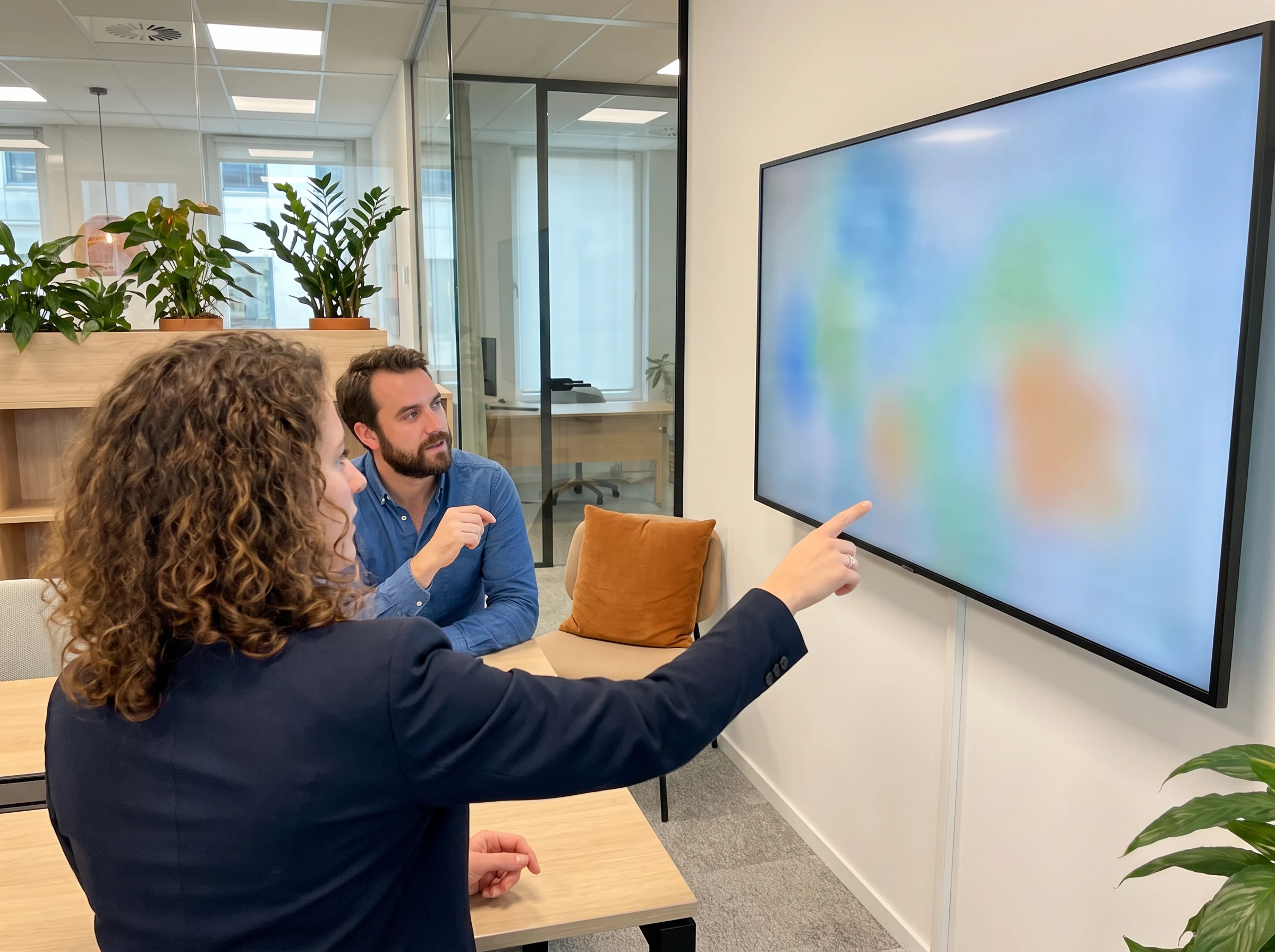
Whichever model you pick, you should not have to take our word for how the program is actually performing. Every account gets a live dashboard tracking dials, connects, meetings booked, and meetings held, the same numbers your account lead reviews during the 30, 60, and 90 day check-ins.
If a segment is underperforming or messaging needs to shift, that shows up here first, not three weeks later in a quarterly pipeline review.
Who This Is and Isn't Built For
Outsourced SDR programs work well in specific situations. Here is an honest breakdown of both sides.
Good Fit - Companies That Get Real Value
- ✓B2B SaaS and services companies with a defined ICP and a repeatable sales motion already in place
- ✓Teams whose account executives are currently splitting time between prospecting and closing
- ✓Companies that just raised funding and need pipeline volume faster than an in-house hiring cycle allows
- ✓Marketing teams generating inbound leads that are not getting worked fast enough to convert
- ✓Companies that have already churned through one or more in-house SDR hires
Not a Good Fit - Be Honest With Yourself
- ×No clearly defined ICP or value proposition yet, outbound will just surface the same positioning problems faster
- ×A sales cycle so long and technical that only a product specialist on staff can credibly run first-call qualification
- ×No closer available to take booked meetings, pipeline with nowhere to go is not worth generating
- ×A total addressable market small enough that a handful of warm referrals already cover it
If your total addressable market is forty accounts, a full outbound program is overkill, and we will tell you that instead of selling you a retainer you do not need. A smaller, account-based outreach motion, or in some cases your founder working the list directly, may genuinely serve you better. We would rather size the engagement correctly than oversell it and lose the account at renewal.
What Buyers Ask Before They Commit
What does outsourced sales development actually cost?
It depends on the engagement model. Monthly retainers, per-meeting fees, and hybrid structures each shift cost differently depending on volume and channel mix. Rates also vary by whether the program is pure outbound, inbound qualification, or blended. Our outsourced SDR pricing guide breaks down real ranges by model so you can budget before your first call.
Is it cheaper to outsource SDRs or hire one in-house?
On a pure headcount basis a single in-house SDR can look cheaper on paper, until you count ramp time, tooling, management overhead, and the real odds that hire leaves within two years. A managed team trades some direct control for lower total cost of ownership and faster time to first meeting. Our in-house vs. outsourced comparison walks through the real tradeoffs on both sides rather than assuming one is automatically right for you.
How do booked meetings get handed off without losing context?
We build a documented handoff format into the account before the program goes live, a short structured summary of qualification criteria, pain points discussed, and next-step context that lands with the meeting on your closer's calendar. This is the single most common point of failure in self-built outbound programs, and it is the first thing we put in place.
What results should I expect, and how fast?
You typically see your first screened candidates in 5-10 business days. Meaningful pipeline volume usually takes longer, most managed programs need 60 to 90 days of list-building, messaging testing, and sequence refinement before meeting volume stabilizes. Anyone promising a flood of qualified meetings in week one is not being straight with you.
Do outsourced SDRs actually understand my product well enough to qualify leads?
They are trained on your ICP, messaging, and objection handling before a single call goes out, and qualification criteria are built jointly with your sales leadership rather than guessed at. For highly technical products with long, specialist-driven sales cycles, qualification depth is a real limiting factor worth discussing honestly before signing, which is covered in the fit-check section above.
What happens if meeting volume or quality is not where we need it?
We review activity volume, meeting-held rate, and pipeline sourced at 30, 60, and 90 days and adjust targeting, messaging, or headcount to match what actually happened rather than the original plan. For current thinking on how this market is trending, see our outsourced SDR FAQ and trends guide.
Trusted by Leading SMBs
Companies across SaaS, professional services, and mid-market B2B trust Kore BPO to run their pipeline.
“Our AEs stopped prospecting the week the Kore BPO team went live. Pipeline volume evened out within the first quarter and our close rate actually went up because our closers were only talking to qualified people.”
“We had burned through two in-house SDR hires before trying Kore BPO. Having a whole team instead of one person meant we stopped losing momentum every time someone left.”
“Kore BPO helped us build outbound pipeline faster than we thought possible, without the stress we expected from managing an outsourced team. The meeting quality was the real surprise.”
The Full SDR-as-a-Service Guide Series
Ready to Fill Your Pipeline?
Share your ICP and current pipeline gap. We map the right SDR program and send screened candidates in 5-10 business days.
Get Your SDR Team Quote