How to Hire Nearshore Graphic Designers: A Practical Guide
 Brian HuntCEO · Kore BPO
October 8, 2026
Brian HuntCEO · Kore BPO
October 8, 2026
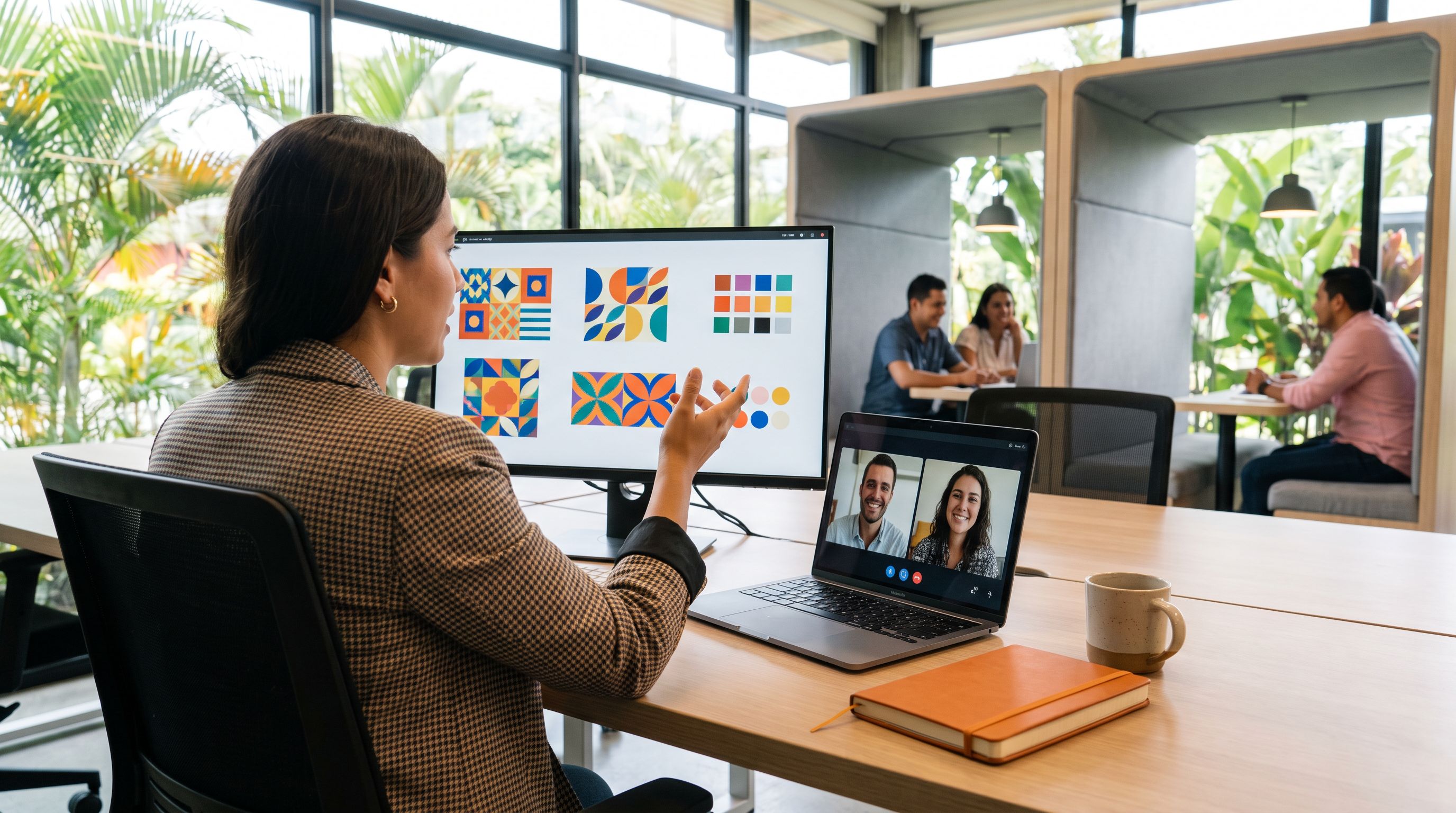
Hiring a nearshore graphic designer from Latin America takes 2–3 weeks from initial call to first day. The process requires a clear brief, portfolio-based screening, a paid test for finalists, and a staffing partner who handles compliant employment in the designer’s home country.
- Define the role and discipline before sourcing begins
- Request 3–5 relevant portfolio samples, not a generic portfolio link
- Run a paid test project with finalists before extending an offer
- See role overview at /nearshore-graphic-designers-staffing/
Hiring a nearshore graphic designer from Latin America takes 2–3 weeks from initial call to first day. The process requires a clear brief, portfolio-based screening, a paid test for finalists, and a staffing partner who handles compliant employment in the designer’s home country.
Why US Companies Are Hiring Nearshore Graphic Designers
The hiring math has shifted. A senior US-based graphic designer commands $85,000–$110,000 in total annual compensation. An equivalent designer from Costa Rica or Colombia, working during US business hours, runs $32,000–$54,000. That is a savings of $40,000–$55,000 per year on a single hire, before accounting for benefits, payroll taxes, and recruiting costs.
The time zone argument used to hold companies back from hiring offshore creative talent. India-based designers work a 10–12 hour time gap, which means feedback cycles take 24 hours. Latin America does not have that problem. Colombia is Eastern Time or one hour off. Costa Rica is Central Time. Mexico City aligns with Central or Mountain Time depending on the month.
That alignment changes the collaboration dynamic entirely. Your nearshore designer can attend morning standups, receive feedback in Slack during your workday, and have revisions ready before you leave the office. Kore BPO has placed over 6,236 hires total, and the nearshore creative roles consistently score highest on client satisfaction because of that daily overlap.

Step 1: Define the Role Before You Start Searching
The single biggest hiring mistake in graphic design is starting with a vague brief. A job post that says “graphic designer with experience in Adobe tools” will produce 200 applicants, none of whom will exactly fit what you actually need.
Before contacting any recruiter or staffing partner, answer these four questions:
- What type of design work makes up 80% of the role? Brand identity, marketing collateral, social media, UI mockups, motion graphics, and packaging are all separate specializations. A social media designer who excels at Instagram templates will not have the same portfolio as a brand identity designer who builds style guides.
- What tools does your team already use? If your product team runs on Figma, you need a Figma-proficient candidate, not someone who only knows Adobe XD. Tool mismatches create friction in every handoff.
- How much direction will this person receive? A designer who works well on self-directed projects needs different screening than one joining an established creative team with a senior art director providing feedback.
- What does a strong portfolio look like for this role? Get specific before the search. If you need someone to own brand guidelines, look for style guide samples. If you need social media creative, look for volume and consistency across a large content library.
Document this before talking to a recruiter. A good nearshore staffing partner will push back if your brief is vague, and that pushback will save weeks of wasted candidate reviews.
Step 2: Choose a Nearshore Staffing Partner With Latin America Coverage
There are two main ways to hire a nearshore graphic designer: directly through LinkedIn or a freelance platform, or through a staffing partner who sources, screens, and employs the designer compliantly.
Direct LinkedIn hiring works for some roles but creates compliance problems. A designer you hire directly as a contractor in Colombia or Costa Rica is subject to local labor law. If they work full-time for a single client for more than a few months, most Latin American jurisdictions reclassify that relationship as employment. Misclassification penalties include back wages, benefits, and fines.
A nearshore staffing partner solves that problem by employing the designer locally. Kore BPO operates offices in Costa Rica and maintains employer-of-record relationships in Colombia. The designer is on our payroll, which means your legal exposure is zero.
When evaluating staffing partners, ask three questions:
- Do you have a physical presence in the candidate’s country, or do you use a third-party EOR?
- How do you screen design portfolios, and who on your team has creative hiring experience?
- What is your replacement policy if the designer does not work out in the first 90 days?
Step 3: Review Portfolios, Not Resumes
Graphic design hiring lives and dies on portfolio review. A resume that lists Adobe Creative Suite and five years of experience tells you almost nothing about whether a designer can execute your specific type of work.
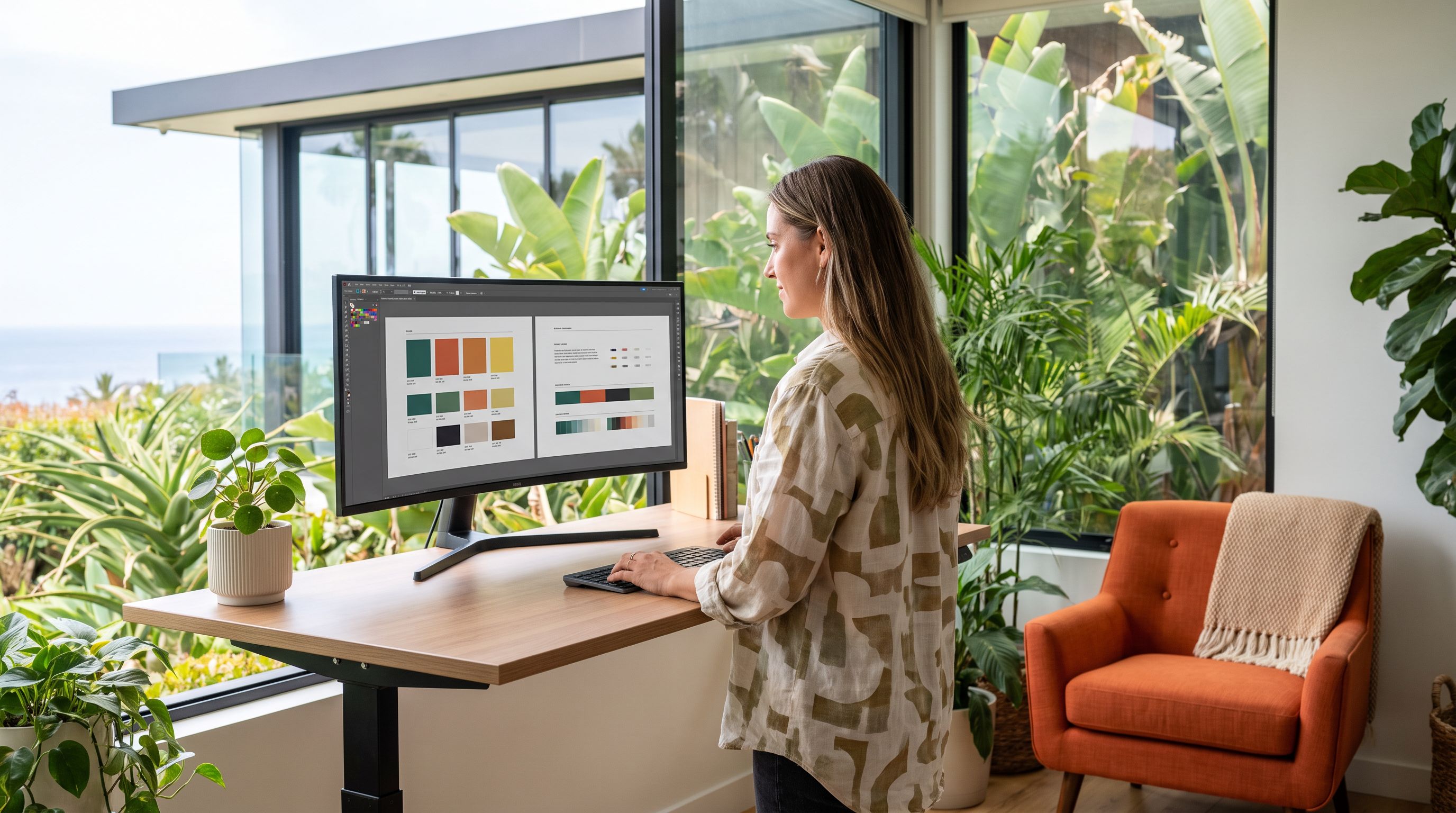
When reviewing portfolios from nearshore candidates, look for three things:
- Relevance to your use case. If you need brand identity work, look for logo presentations, brand guideline documents, and typography samples. If you need social media creative, look for consistency across a large content library, not one-off showpieces.
- Evidence of process, not just output. Candidates who only show final polished work are harder to evaluate than those who show process documentation, iteration screenshots, or before/after comparisons. Process work signals someone who can collaborate and receive feedback.
- Presentation quality. A designer who cannot present their own portfolio work clearly and professionally is unlikely to communicate design decisions clearly to your stakeholders. Portfolio presentation is itself a work sample.
Kore BPO shortlists candidates specifically by portfolio match to the client brief before we send any resume. Our recruiters in Costa Rica and Colombia have design backgrounds, which means they are filtering on the work, not just years of experience or tool lists.
Step 4: Run a Paid Design Test for Finalists
After portfolio review, run a brief paid test for your top 1–2 candidates. This does not need to be a large project. A focused 2–4 hour paid test that mirrors a real task from the role is enough to evaluate execution quality, communication style, and how the designer handles ambiguity.
Good paid test formats for graphic designers include:
- Redesign a specific page of your existing brand collateral using your brand guidelines
- Create three social media template variations for a real campaign brief
- Produce a one-page brand presentation based on a brief you provide
Pay the test at a fair hourly rate even if you do not hire the candidate. Unpaid tests are a red flag to strong candidates and filter toward people who are either desperate or inexperienced.
Step 5: Onboard to Your Creative Workflow
The first 30 days determine whether a nearshore creative hire sticks. The most common failure point is not skill, it is context. A designer who does not understand your brand voice, your approval process, or your stakeholders will produce work that misses despite being technically competent.

Build a 30-day onboarding plan before day one. Include:
- A brand kit session: share your brand guidelines, existing design library, and approved asset examples
- A stakeholder intro: who will give feedback, who has final approval, what is the typical turnaround expectation
- A first week assignment with clear success criteria so the designer has something concrete to deliver and receive feedback on
- A weekly check-in call for the first month to catch alignment issues early
The designers Kore BPO places come with English communication skills that make this onboarding practical. You do not need a translator or a simplified brief. You can run the same onboarding you would for a US-based hire.
Frequently Asked Questions
How long does it take to hire a nearshore graphic designer?
From initial call to first candidate shortlist takes 2–5 business days with Kore BPO. Clients who move quickly through interviews can have a designer starting within 2–3 weeks of the first call. The main variable is how quickly you schedule the interview and complete the paid test.
What countries should I hire nearshore designers from?
Costa Rica, Colombia, and Mexico offer the best combination of English proficiency, design education quality, and US time zone alignment for nearshore graphic design hiring. Costa Rica aligns with US Central Time year-round. Colombia is either Eastern Time or one hour off. Mexico City aligns with Central or Mountain Time.
Do I need to set up a legal entity in the designer’s country?
No. When you hire through a nearshore staffing partner like Kore BPO, the designer is employed by us locally. You have no employer obligations, no local entity requirement, and no exposure to Latin American labor law misclassification risk. You manage the work. We manage the employment relationship.
What is the cost difference between a nearshore and a US graphic designer?
A senior US graphic designer in a major market typically costs $85,000–$110,000 in base salary plus 25–35% in benefits and payroll taxes. A comparable nearshore designer from Colombia or Costa Rica runs $32,000–$54,000 all-in through Kore BPO, a savings of $40,000–$55,000 per year.
Related Articles



Ready to Hire a Nearshore Graphic Designer?
Kore BPO delivers shortlisted profiles with portfolios in 2–5 business days. $0 upfront fees, 40–60% below US rates, 90-day replacement guarantee.
Get Candidates Now