
Per-seat billing is losing ground. Deloitte’s Global Outsourcing Survey found outcome-based pricing adoption climbed from 45% to 67% of organizations in two years, and ISG’s Q3 2026 Index shows BPO contract value rising even as AI compresses the hours a task takes. One number almost nobody can back up yet: a clean, dated, named dollar figure comparing straight offshore labor to “AI-augmented” delivery. We haven’t found one we’d stand behind, so we’re flagging it rather than guessing.
Every outsourcing vendor pitch this year leads with the same line: AI changes the math. Few explain how. We covered the broader shift in our 2026 outsourcing trends guide, but pricing deserves its own look, because it’s the part finance actually has to sign off on. Three real models are replacing straight per-seat billing right now.
The data behind those models comes from outsourcing analysts, not vendor decks. This piece walks through what’s verified, what’s still marketing, and where the honest gaps sit, including one in our own pitch.
Why Per-Seat Pricing Is Breaking
The old model had one input: hours. A seat cost roughly the same whether the person filling it closed forty tickets a day or ninety, because the bill was built around headcount and time, not output. That assumption worked fine for decades. It stops working the moment AI starts doing a meaningful share of the actual task underneath the seat.
Everest Group’s research on the 2026 BPO realignment frames it plainly: intensifying cost pressure, fast AI adoption, and shifting talent dynamics are pushing traditional FTE-based pricing toward a breaking point, because automation compresses the effort a role used to require without necessarily compressing the headcount a vendor staffs against it. Buyers are also being asked to help fund part of the AI cost stack itself, the platforms, the models, the token consumption, which is a cost category that simply didn’t exist in a 2019 staffing contract. For a deeper look at how that shift touches delivery models specifically, see our piece on how AI is changing outsourcing delivery.
The Three Pricing Models Replacing It
None of these are theoretical. Each has a named source behind it, and each is already showing up in live contracts.
Outcome-Based Pricing
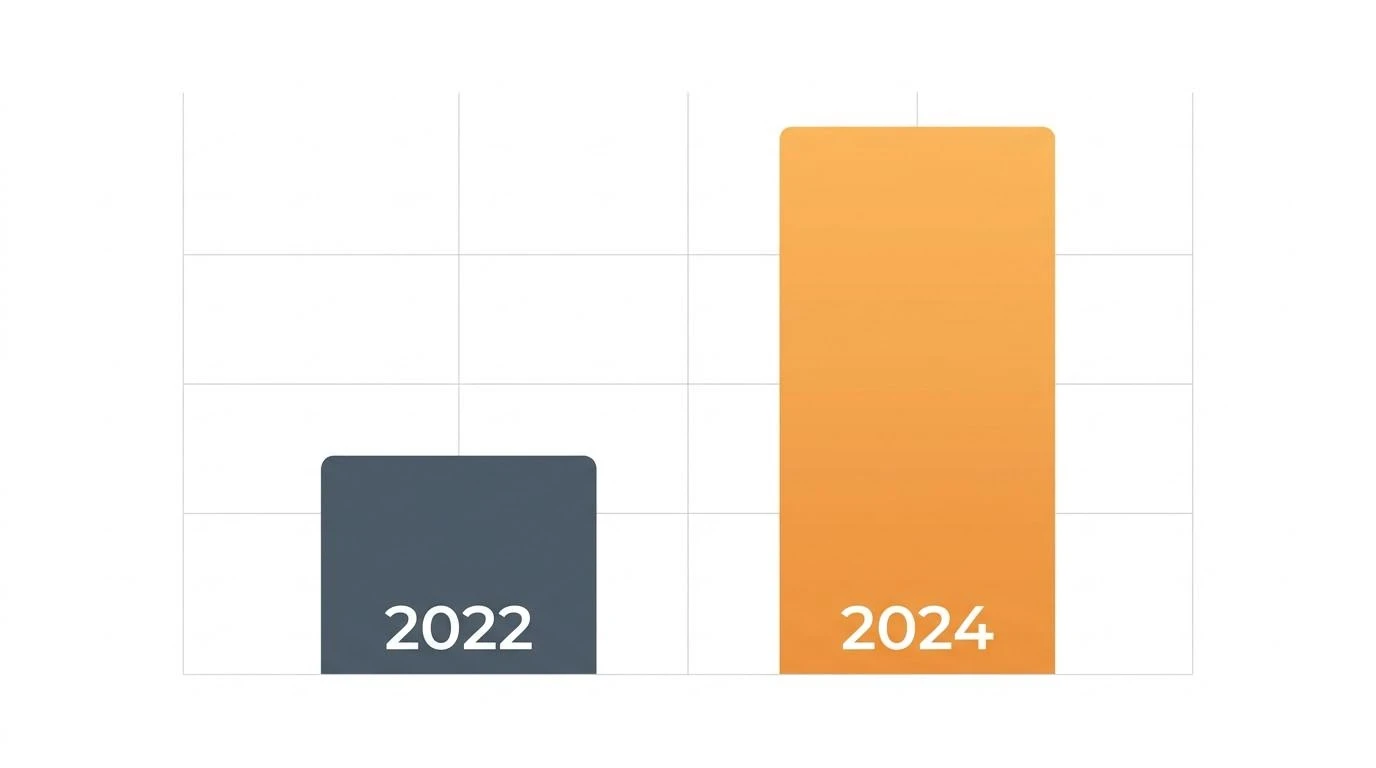
Pay is tied to a measurable result, claims resolved, tickets closed within SLA, qualified leads delivered, rather than hours logged. Deloitte’s Global Outsourcing Survey found adoption of outcome-based strategies rose from 45% to 67% of organizations in just two years. That’s not a fringe trend anymore. It’s closer to the default expectation among larger buyers.
Hybrid or Blended Models
A base staffing fee covers human oversight and account management, while a separate line item covers the AI layer, the software, the compute, sometimes the integration work. This model is messier to negotiate than a flat monthly rate, but it’s more honest about where the money is actually going.
Autonomy-Level Pricing
ISG has started describing this directly: contract value scaled to how much of a task AI executes without human oversight versus how much still needs a person watching it. Their research notes that large contracts, the ones worth $50 million or more a year, are increasingly being renegotiated within two years of signing as clients push for productivity commitments tied to actual autonomy achieved, not projected.
| Model | How It Works | Adoption Signal |
|---|---|---|
| Per-Seat / FTE (legacy) | Bill per full-time headcount, regardless of output | Still the default baseline, but flagged by Everest Group as under growing pressure |
| Outcome-Based | Price tied to a business result, not hours worked | 45% to 67% adoption in two years, per Deloitte’s Global Outsourcing Survey |
| Autonomy-Level Pricing | Contract value scaled to how much AI executes without oversight | Named framework in ISG’s 2026 Index research on large-contract renegotiation |
They aren’t fully replacing per-seat billing yet. All three are running alongside it, and in a lot of contracts right now, inside the same document.
What the Numbers Actually Show So Far
ISG’s Q3 2026 Index, published October 8, 2026, put global technology-services contract value at a record $52.5 billion for the quarter, up 63% year over year. BPO specifically rose a smaller but still real 12%, to $2.1 billion in annual contract value. Read those two numbers side by side and a pattern falls out. The bulk of the AI-driven money is landing in cloud and infrastructure spend, not in labor-arbitrage BPO deals. That’s worth sitting with for a second. It matters.
Deloitte’s own survey data adds a sobering footnote to the outcome-based enthusiasm: only about 43% of enterprises include AI-specific terms in their outsourcing contracts at all, and fewer than one in four tie pricing directly to efficiency outcomes today. The adoption number is real. The proof that it’s saving anyone money, on a measured, auditable basis, is thinner. If you see a vendor site quoting an exact dollar range for “AI-powered” delivery versus plain offshore labor without naming where that figure came from, treat it the way you’d treat an unsourced salary stat. “Unverified” is the honest label for most of what’s circulating on this specific number right now, ours included until someone publishes it with a methodology attached.
What This Means for an Offshore or Nearshore Budget in 2026

Practically, three questions are worth asking any vendor before you sign anything with an “AI” line item in it. First: what specific metric is the discount tied to, and who measures it? Second: what was the baseline SLA before the AI layer was added, in writing, not from memory? Third: does the outcome pricing shift risk if the AI underperforms, or does the risk stay entirely on your side?
AI isn’t replacing offshore or nearshore teams wholesale. It’s changing how the seat gets priced, not whether the seat exists. We go deeper on that distinction in our piece on whether AI will actually replace offshore teams, and the short version there is no, not for most of the work that currently sits offshore. But the pricing attached to that work is absolutely moving. For a full view of how pricing fits into the broader services mix, our BPO solutions page breaks down where the ROI case holds up and where it doesn’t.
Good Fit, Bad Fit

Kore BPO still prices on a traditional staffing model, a bundled monthly or placement-based rate per hire, not outcome-based AI-native delivery. We’ve placed 6,236 hires for 257 clients that way, with $0 upfront fees, and it works for most of what companies actually need staffed. It isn’t the newest pricing model described in this piece. If what you need is a vendor pricing against live, AI-driven outcome metrics today, with a measurement dashboard already built, we aren’t that vendor yet, and you should say so plainly before signing anything with us.
Read the rest of this guide with that in mind, not as a disclaimer but as context. A staffing partner who makes money on per-seat pricing has every incentive to wave off the outcome-based shift as hype. We’d rather undersell it than oversell it. A buyer who signs an outcome-based contract with no real measurement method behind it usually ends up worse off than one who kept a plain seat rate, and that outcome reflects badly on every staffing partner in the market. Including us, eventually, if the industry keeps overpromising.
Common Questions About AI Outsourcing Pricing
Is AI actually lowering outsourcing costs in 2026?
In some deals, yes, measurably. In most, the picture is still early. Deloitte’s survey found fewer than one in four companies currently tie pricing directly to efficiency outcomes, which means the majority of “AI savings” claims right now are projections rather than audited results. Ask any vendor for the measurement method before taking a savings number at face value.
What’s outcome-based pricing, in plain terms?
You pay for a result, a resolved ticket, a processed claim, a qualified lead, instead of paying for the hours someone spent getting there. It shifts performance risk toward the vendor and away from the buyer, at least on paper. Deloitte found adoption of this model rose from 45% to 67% of organizations between 2022 and 2024.
Should I expect my current BPO contract to be renegotiated because of AI?
If it’s a large contract, quite possibly. ISG’s research notes that large technology-services contracts, those above roughly $50 million a year, are increasingly being reopened within two years of signing as clients push for productivity commitments tied to AI-driven autonomy. Smaller nearshore and offshore staffing contracts move more slowly, but the pressure is trending the same direction.
How do I tell if a vendor’s “AI discount” is real?
Ask for the baseline. A real AI pricing adjustment has a documented before-and-after SLA, a named metric, and a measurement cadence written into the contract. If a vendor can’t produce those three things and instead points to a general industry statistic, the discount is more marketing than measurement.

Related Articles



Get a Pricing Conversation, Not a Sales Pitch
Tell us what you’re trying to staff and we’ll show you exactly how our pricing works, no AI-pricing buzzwords attached, in 2 to 5 business days.
Talk to Kore BPO